Process-Based Marine Ecology
Aim
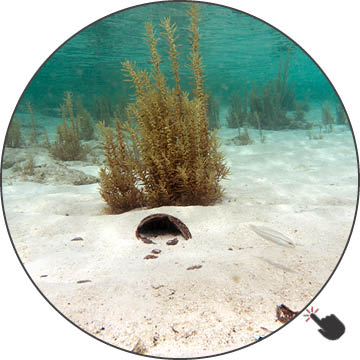
My research focuses on developing predictive, process-based explanations for how marine benthic communities are structured by the interplay of biotic interactions, community organization, and organismal design. My interst lies in soft-sediment ecosystems, one of the largest and most functionally important components of the marine biosphere, yet still among the least mechanistically resolved.
Focus
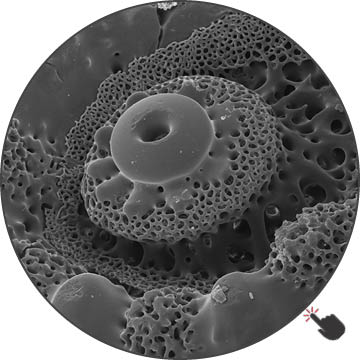
The core of my work is a simple but fundamental objective: to connect organism-level traits and behavior to community organization and ecosystem function. In analyzing patterns of species distribution, I seek to explain the processes that generate them. Using sediment-dwelling echinoids as a tractable model system, I integrate field ecology, spatial and quantitative analysis, functional morphology, and paleobiological baselines to identify which ecological mechanisms are transient, which persist through time, and how they scale across environments.
Importance
Soft-sediment habitats underpin biodiversity maintenance, nutrient cycling, and carbon dynamics across the seafloor. Yet our ability to predict how these systems respond to environmental change remains limited. My research addresses this gap by developing process-based frameworks that link environmental constraint, interaction networks, and structural design to measurable ecological outcomes.